

A History of Marketing / Bonus Episode
Earlier this year, I spoke with students at Syracuse University taking an “Essentials of Marketing” course. I shared stories from my non-traditional career in marketing that’s spanned filmmaking, virtual reality, robotics, trucking, and technology. I framed these stories into “five rules of thumb” for early career marketers.
I’m releasing this as a “bonus” episode. I prefer to let the history and my guests be the star of the show, but regular listeners might be entertained by this personal detour and find some value in these takeaways.
I want to give a special thank you to Xiaoying Feng for the invitation to her class and for being such a wonderful supporter of the show.
Now, here’s the presentation.
Listen to the podcast: Spotify / Apple Podcasts
Five Rules of Thumb for Career Growth
I had planned to do a presentation on marketing history, but then Xiaoying asked me to talk about my career and journey.
I realized you don’t just want to hear one thing after another. So I thought I would call it “Five Rules of Thumb.” So whether you are planning to be a marketer or just somebody early in your career, as you exit college and enter the “real world,” here are some things I’ve learned.
I didn’t want to call them “lessons.” That felt a little too formal.
So rules of thumb. For what it’s worth, they have worked for me, so hopefully, they work for you too.
👍Rule of Thumb #1: Don’t Get Comfortable
The very first rule of thumb I want to start with is what somebody told me once, which is “Don’t get comfortable.”
The story behind this one is that it was February of 2012, and I was going to a job interview. The job interview was with one of the biggest ad agencies in Seattle. I was 22 years old and feeling super confident. I actually had just won a Seattle ADDY Award for an advertisement I made for my university. I had also just released a 30-minute documentary that just won an audience award at a film festival. And I just graduated college a year early as well, and I was already producing videos for an investment company in Seattle. But I wanted to break into the ad agency world, which is why I was having this job interview. So I sat down for the interview, and the guy, who was the founder of this agency.
He said to me, “I watched the first 10 minutes of your documentary. I didn’t understand what it was about. That’s not good.” I thought, Oh gosh, this is a tough start to an interview. Then he said, “I also watched your ad. I didn’t like it.” And he said, “What else are you working on?”
I didn’t really have a good answer for him. I was like, “This is the toughest start to a job interview I’ve ever had.” I realized I wasn’t going to get this job. So, I just asked him what advice he had for a recent graduate who had a full-time job but wanted to get into advertising.
His advice was: “Don’t get comfortable.”
This guy was kind of a jerk, as you could tell, and I’m kind of glad that I never worked for him, but his advice was actually pretty good.
I think what he was trying to say was: “When you are comfortable, you are not growing. Growth comes from discomfort.”
The job I had at the investment company was a pretty comfortable job, but any growth I was going to have would come from pushing myself outside of my comfort zone. Even though this was someone I didn’t work with, I was grateful for the advice, and it stuck with me.
Jobs, Side Hustles, Startups, and Podcasts
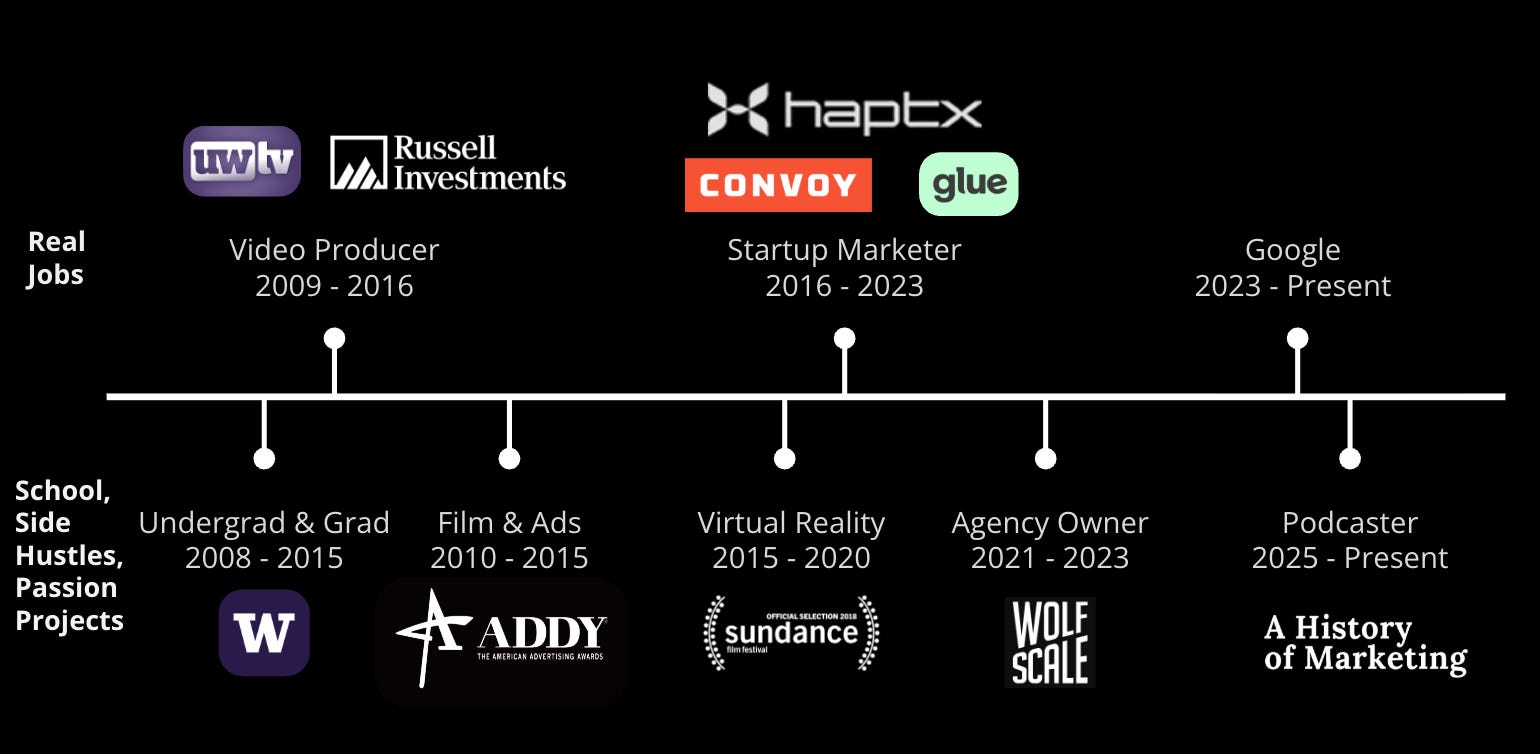
To place my career journey on a linear timeline, I would say the first era was being an undergraduate and I started making videos for the student newspaper. That turned into a job with UWTV; I made the first-ever student-produced TV show. While I was an undergrad, I was making 30-minute episodes a week. I was 19 years old when I started doing that, and all of a sudden, I was managing a staff of 15 people. I was the worst manager ever because no 19-year-old is a good manager, but I got a lot of practice making videos.
Russell Investments reached out to UW and said, “Hey, who do you have can make videos? We need a video person.” And I got a job there. In the meantime, I was doing films and ads on the side as well. I always say I had a real job, and then that “don’t get comfortable” element was always doing side hustles or doing school on top of work or doing ads and doing freelance work on top of work. So that was kind of my “don’t get comfortable”. I was spinning multiple plates. I’m always doing a few things at once to try to learn more and more.
The second era of my career was being a startup marketer, and I shifted from investment companies to startups because I just saw that startups have a lot of room for growth, and I’ll speak to this presentation on some of the benefits and also some of the risks associated with startups as well. While I was at startups, I started a side hustle during the COVID years. I realized I could take a lot of tactics I was doing for some of the startups I was working with, and do those first as a side hustle and then as a full-time job at my own agency.
Finally, we’re at the present. I am now at Google, and it’s funny, I wanted to work at Google, right from when I graduated from college. I applied there when I was 22, 23 years old, and never got an interview. But then some of my startup opportunities, and some of my other networking and body of work, led to a role at Google. And I now lead demand generation for the SMB and startup segments for Google Workspace. It involves tools that I actually love and use every day. I’ve worked at companies where I’ve used competitive products, and I’ve used Google. I love Google’s products as well, so it’s really great to be at a really great company and then also marketing a product that I actually love and believe in.
That ties back to how I met Xiaoying. I started this podcast called, A History of Marketing, because I always wanted to learn new things, become a better marketer, and apply some of my creative and media production background. I wanted to take those skills and my marketing skills, and see who I could meet to keep learning and exploring new things. At Google, it’s an amazing company, but I am really marketing one product in a more specific role, not doing the whole suite of marketing. I am not the CMO at Google or anything like that, and I’m really focused on one particular area, but I want to keep learning a lot of different areas about marketing. This podcast is a great way to continue being a better marketer, to continue to learn things.
👍👍Rule of Thumb #2: Adopt Tech Early + Publish Your Work = Doors Open For You
This takes me to rule of thumb number two, which is a useful lesson in almost any industry: If you adopt tech early and you publish your work, doors just open for you.
This is true almost in anything that I can think of, if you are a young person, especially, you want to stand out. There are so many benefits to being early on the adoption curve of anything. There are so many benefits to publishing your work online or in some areas where others, your peers, future employers, other people on the internet, a PhD candidate at Syracuse, and people who can find your work. It’s just doors open for you. It’s something that I’ve tried to embrace over my career, and I almost just wish I had done even more of it over time. I’ll give some examples of this.
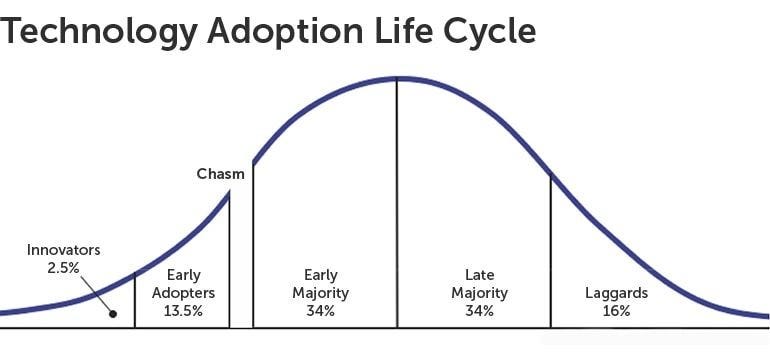
It wouldn’t be a marketing presentation without some frameworks. Has anybody heard of the book Crossing the Chasm? It is one of the best B2B marketing books, and basically the gist of it is that you have this early stage with very innovative people who adopt things on the bleeding edge, then early adopters, the second chunk here, and they are the early folks who will adopt your new technology.
And then there is this “chasm” that breaks from the early adopter phase to the early majority—or the mainstream public phase of adopting things is really hard, and a lot of products don’t make it there. You have probably seen products come and go that didn’t quite catch on. Virtual Reality might actually be an example of that.
However, because of this chasm, as somebody who is an individual, whether you have a technical role, a media or film production role like I did, or a marketing role, being an early adopter is your competitive advantage because for a lot of people, it takes them a while to catch on, and they are looking to early adopters to publish things and create things.
Especially in a B2B marketing role, I’d recommend it. But this is a framework, where once you see this pattern, you will see it over the course of your life, everywhere. You just gonna see, “That person is an early adopter. That person is a laggard. Or that product crosses the chasm and goes mainstream.”
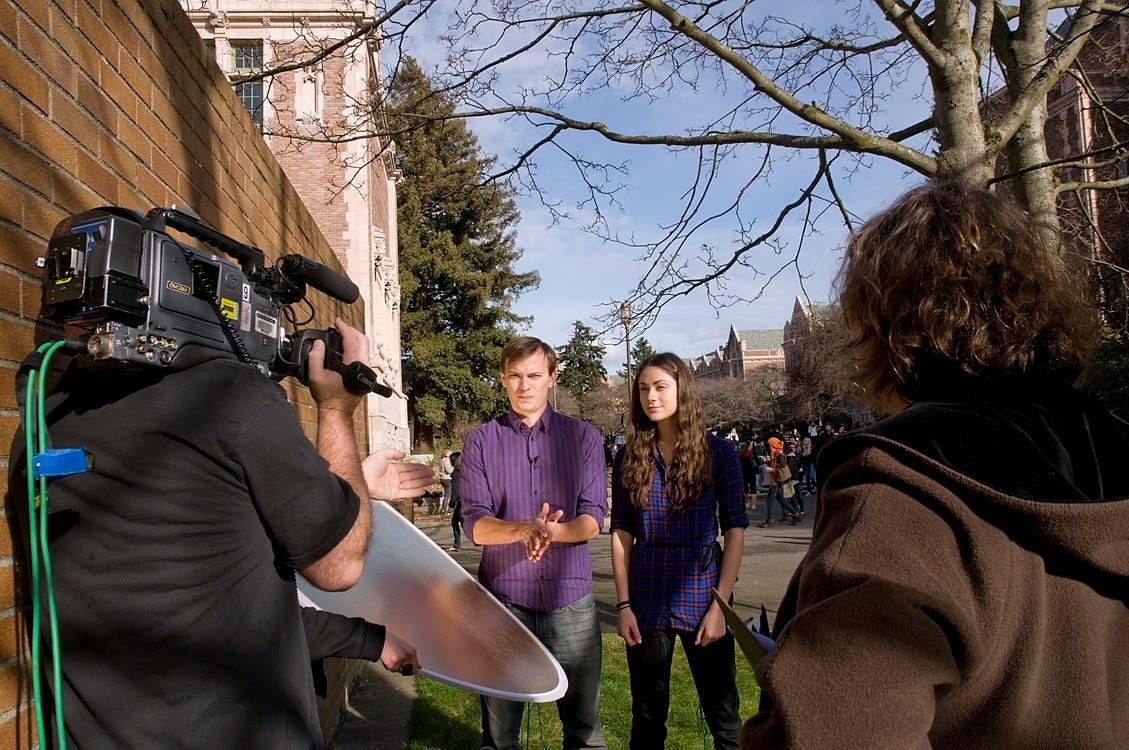
Here are some examples of this. When I was a student in 2009, I was producing that TV show. There’s me when I had a lot more hair. But also, look at this giant camera that’s there and all those film equipment. And here I am working on this TV show, and there are these big cameras out there and big equipment.
What else was happening in 2009? I’m going to date myself here, but YouTube had just launched a few years earlier in 2006, and it was in 2009 that they started supporting HD (High Definition) uploads. Then, Canon released this product called the Canon EOS 7D. It was the first DSLR that was at a price point you could afford—maybe $1,000 or $2,000, expensive but still affordable, for a prosumer audience—that could record HD video in it.

Before that, it’d have been recording to tape, mostly doing standard definition, and you didn’t have these interchangeable lenses. This together was a magical combination and it changed the media and film-producing landscape. All of a sudden, companies could hire a college student for a thousand bucks to film a high-definition video and upload it to YouTube, instead of hiring a big camera crew with professionals with big, giant, over-the-shoulder cameras.
I was so excited to adopt this and it got me so many opportunities just by shooting these videos and publishing them to YouTube right in 2009 when these technologies were coming out.

I spoke about Russell Investments, my first full-time job and I was an undergrad when I got the job with them initially. I made all these boring investment videos for them. Sometimes we did branded videos like this one that I shot.They found me just because I was doing videos.
But what was cool about them, about Russell Investments, is that they let me use their camera equipment when work was over. I could use their lights, microphones, and DSLR cameras. What I did when I was at Russell, I learned about corporate culture and business and investing. But then on nights, weekends, and holidays, I would make videos.
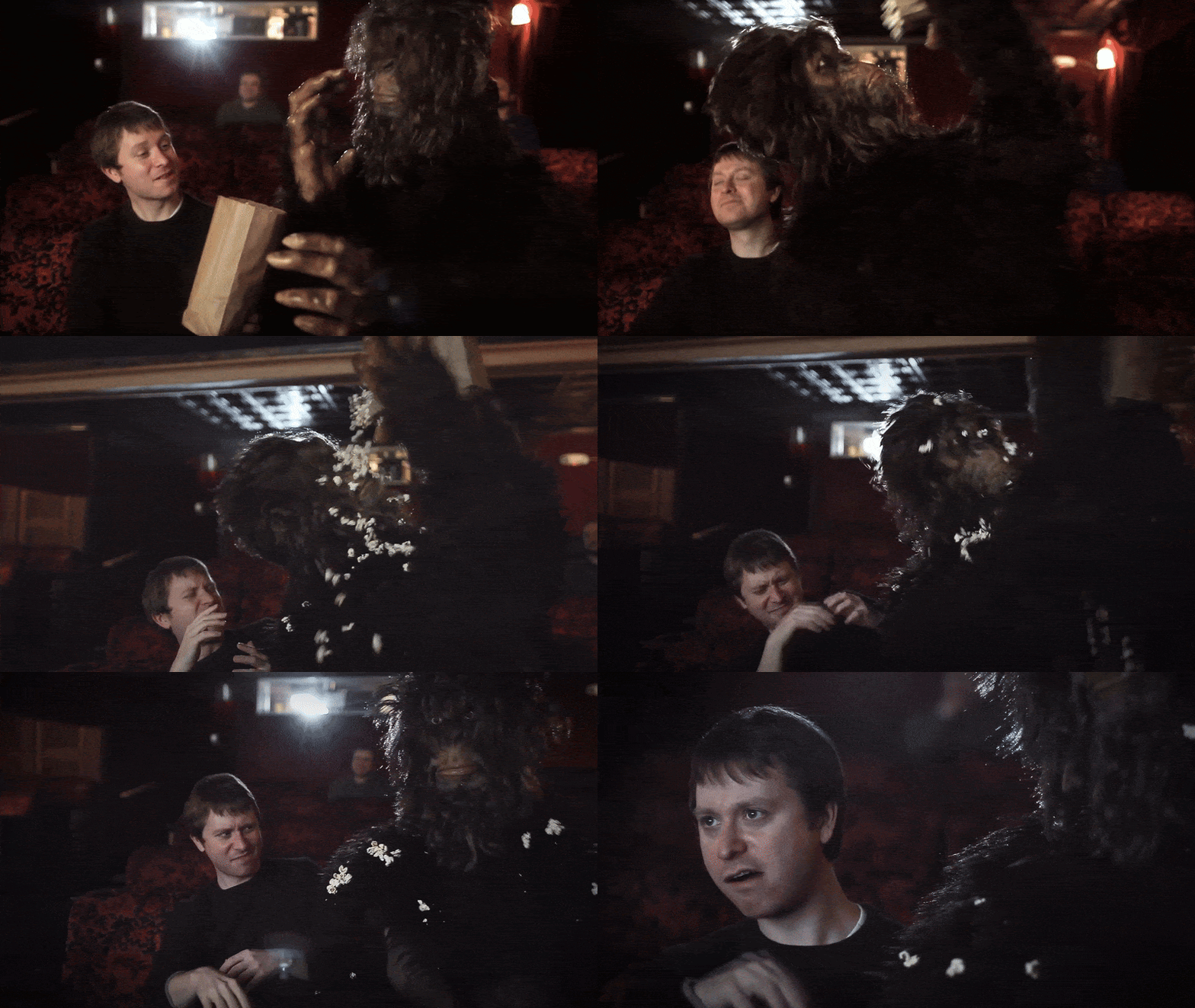
I made a video with Bigfoot—the story was about a guy who falls in love with Bigfoot. I was like, all right, let’s just try this out. Let’s just take a camera and film this thing. I worked with a YouTuber to make comedy shorts. I knew some musicians that I made these really artsy music videos as well.
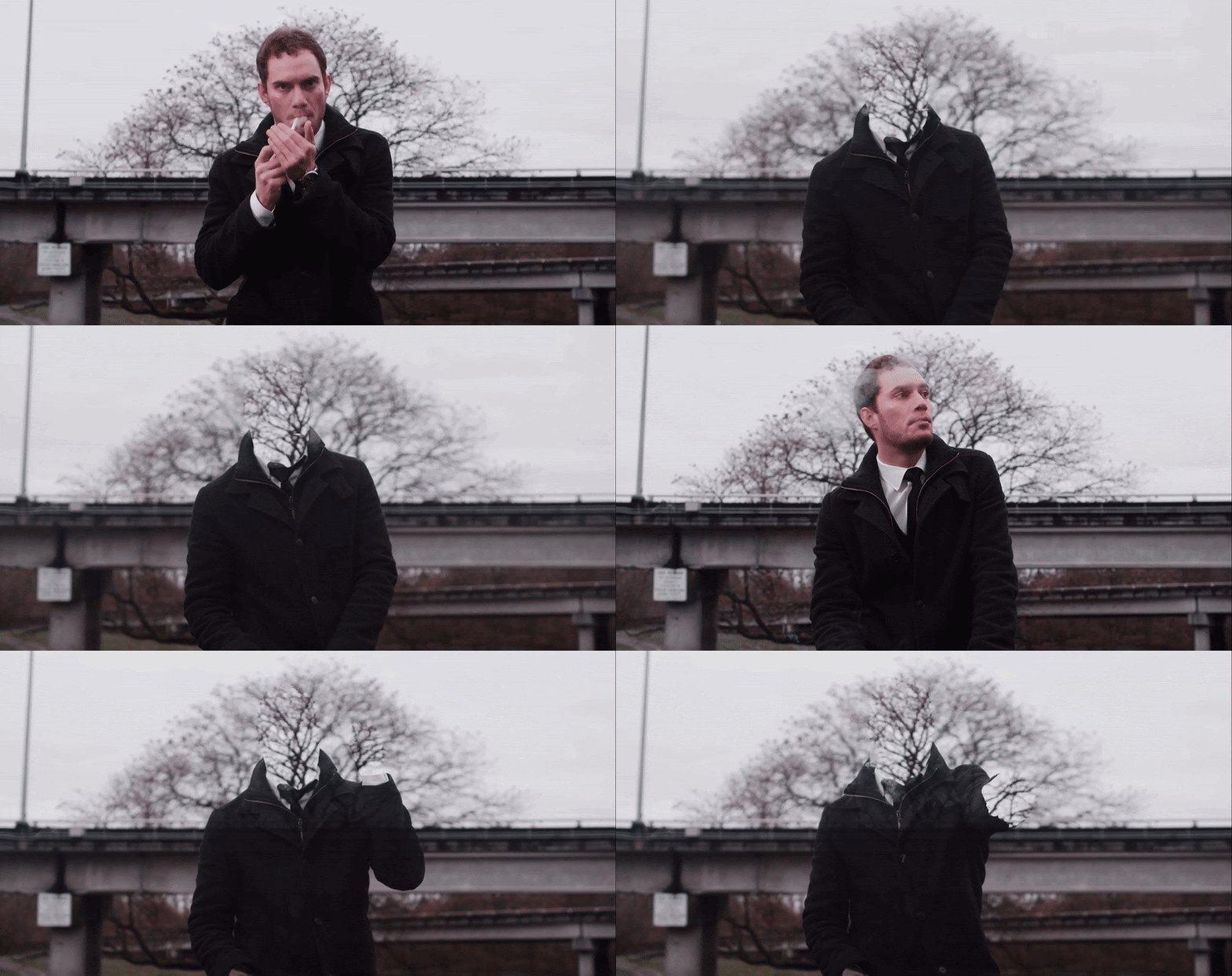
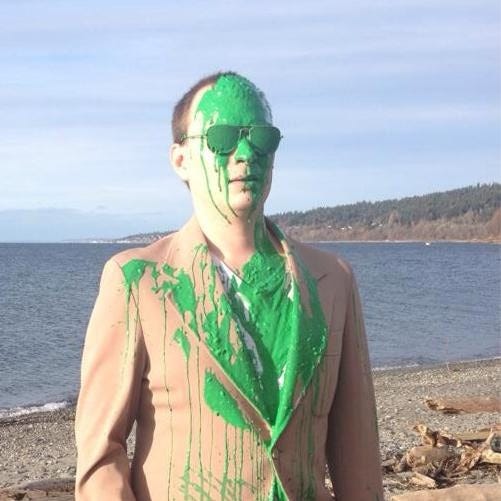
I experimented with things and with green screens and stuff like that. Sometimes the experiments got weird. I did this one by breaking the rules of a green screen. It was like green slime doing it.

By the way, if you are ever going to ask somebody to do green slime on them, you have to do it to yourself first—leading by example, getting slime all over yourself and testing things out. So I had a lot of fun with it as well.
One of the most fun projects was that I made a short film called One Way Single. We used those DSLR cameras to shoot it, but I got a whole crew involved - there were 30 people. I saved up my own budget and made it my short festival film. We actually built a whole train set, and there are Styrofoam seats and lighting. We built like a quarter of a train and filmed this video inside there, and then we destroyed it all for a crash sequence, so that was a fun project.
“Maybe I should become a marketer!”
Anyway, all those things I was doing while working at Russell and doing side projects. I was doing silly comedy videos of Bigfoot. I was doing experimental art stuff with slime and building a train. I also met a lot of folks who were in the Seattle advertising community, and I met marketers at Microsoft. I would do commercials and conference videos for Microsoft. So I was a producer on this one, which was at a big Microsoft Conference, and got to work with pretty big brands in the Seattle area and build a network.
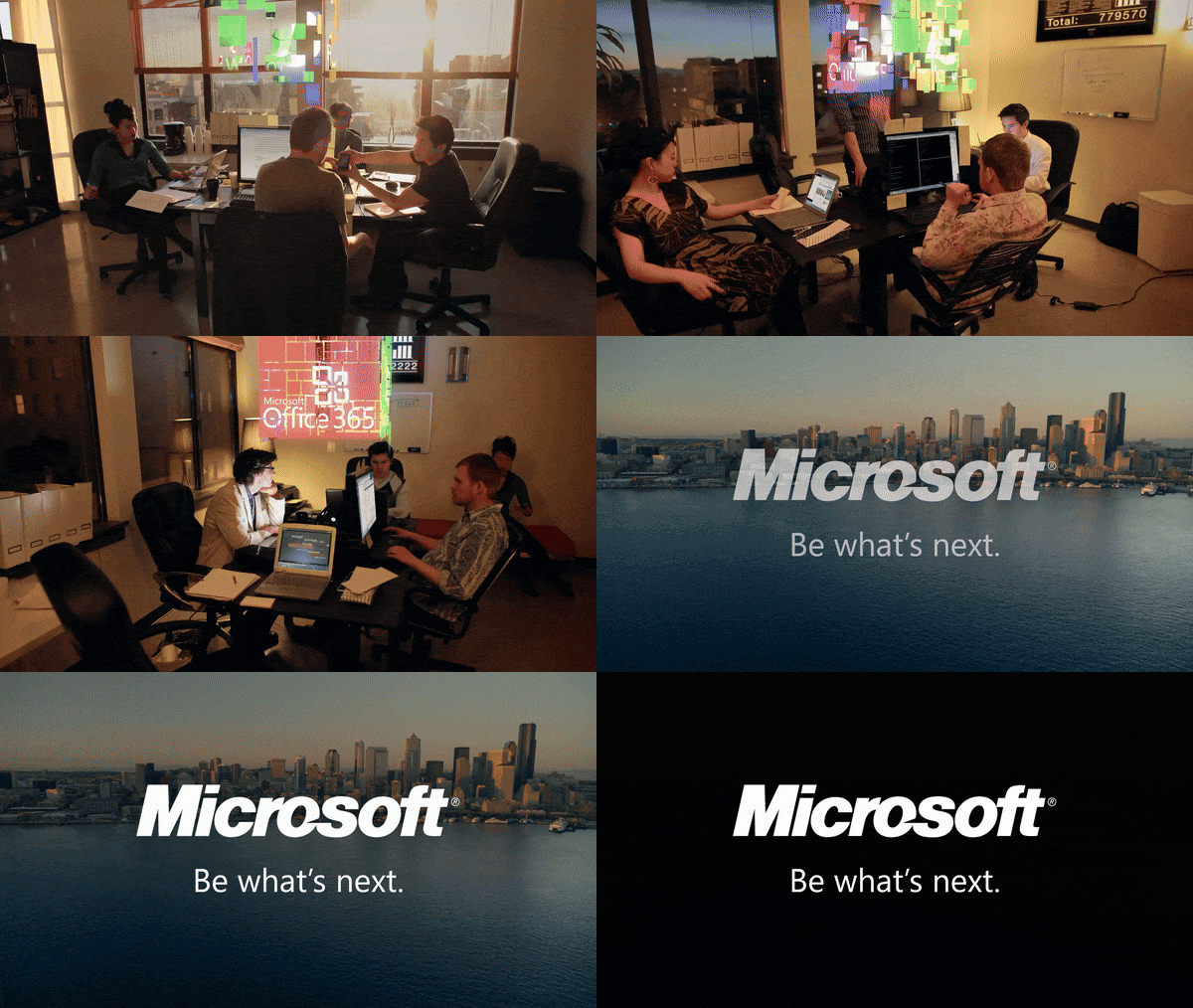
I also noticed that the marketers at Microsoft made a lot of money and didn’t have to haul around a bunch of film equipment all the time. I thought, Maybe I should become a marketer! I realized that while I loved filmmaking, Seattle is a pretty small filmmaking hub compared to New York or Los Angeles. I thought maybe marketing was the thing for me.
The thing I was noticing is that these marketers at Microsoft made a lot of money, and they don’t have to haul around a bunch of film equipment all the time. Maybe I should become a marketer. Maybe their job looks pretty good.
So that was in my head as well. Down the line, I love this filmmaking stuff, and it’s great, but Seattle is a pretty small filmmaking place. Everybody who makes it big goes to New York or Los Angeles, and I love Seattle. Maybe marketing is the thing for me.
So that was in my head as I was making these videos.
From Filmmaking to Virtual Reality
This is the interactive part. Does anybody have a guess at what this is on the screen?
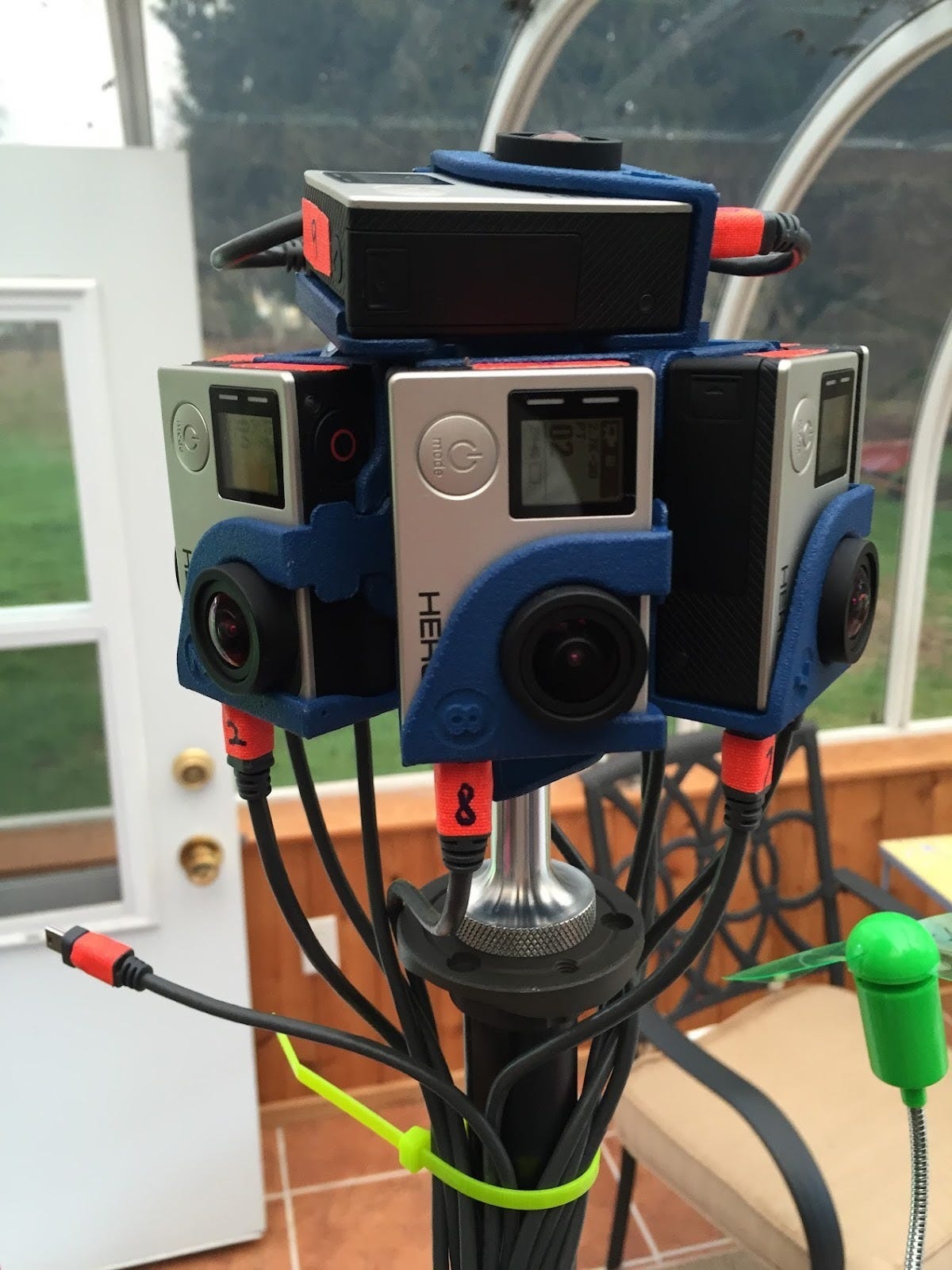
This is how virtual reality filmmaking worked in 2015. We are on the note of being an early adopter, you had to find GoPros, I am not even sure if you know what GoPros are these days, but obviously, these were the wide-angle action cameras, and they are relatively cheap. You would had to 3D print a mechanism for holding them all together. You’d have to film them all, you’d have to sync them all, you’d have to stitch them all together in the editing. That is how you did a 360-degree video.
On this note of being an early adopter, I had been an early adopter on DSLRs. A few years into that, they had gone mainstream. It was like “Oh, sure, you have a DSLR camera, you can do your filmmaking.” Everybody’s doing that now. What’s next? A VR was one of those things that I was looking at, thinking, “Oh, what’s next as far as emerging technology?”
One more interactive part: Any guesses on what is on my face in this one?
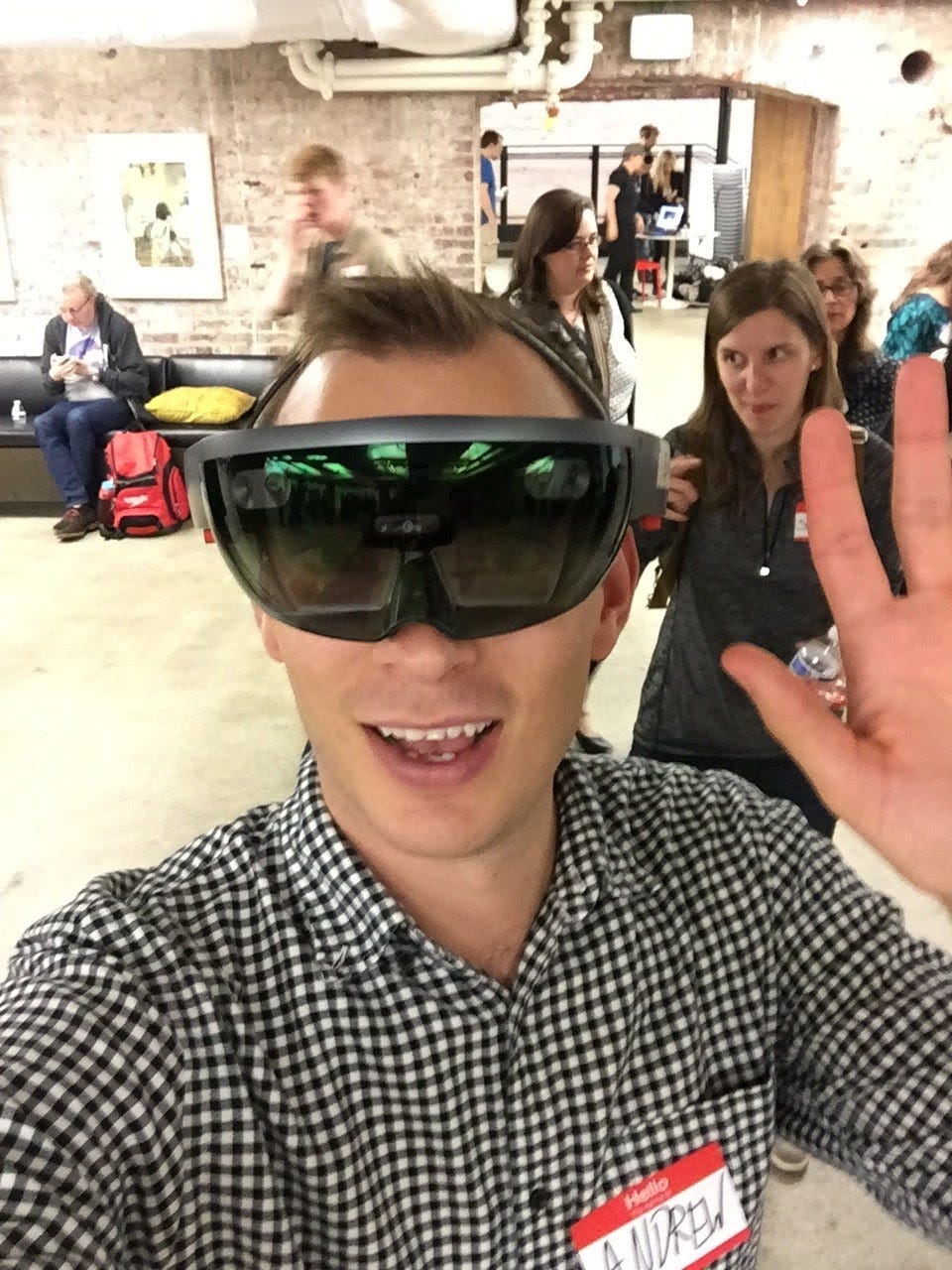
That is right, this is the Microsoft HoloLens, which was their augmented reality—they called it mixed reality—prototype. It was super early. I think they discontinued it a couple of years after this, but I was at a Seattle VR meetup. I was doing these 360-degree videos, going to Seattle VR meetups, learning about new tech, building a community, or being part of an emerging community, and getting to try out new tech. That was a sort of experimental augmented reality tool from Microsoft.
👍👍👍 Rule of Thumb #3: Startups can help you gain a lot of experience, fast.
This takes me to my next stage, which is rule of thumb number three: Startups can help you gain a lot of experience really fast, in a short amount of time
If you want to learn a lot of things about how a company works, a startup is a great way to do it because there is always more work than there are people to do the work. You get to do a lot of things. It is sort of a trial by fire.
I am going to shift to my VR startup experience. I was at these meetups doing 360 videos, and I met this young person from Seattle named Jake Rubin, who founded this company with a vision to build a full-body, fully immersive Holodeck-type system. That was a crazy, ambitious vision. He was envisioning a full-body exoskeleton suit and haptic feedback. The idea is that if a VR headset is through your eyes and ears, and immerses you visually or in audio-wise, the next missing thing is touch and full-body motion. He was building these systems to do that.
He was one of the sharpest people I have ever met. They had just hired Mark Kroese, who was the president of the company and had come from Microsoft. I thought, “Okay, ilet’s give this a shot.”
Learning the Power of PR
My VR experience got me into this startup called AxonVR. That was what they were called at that time. Initially, they built this box, and you had to stick your hand inside a box and you put it out of your headset, to simulate motions and sensations of touch. We found early on that the best way to demonstrate it was with little cute animals in your hand.
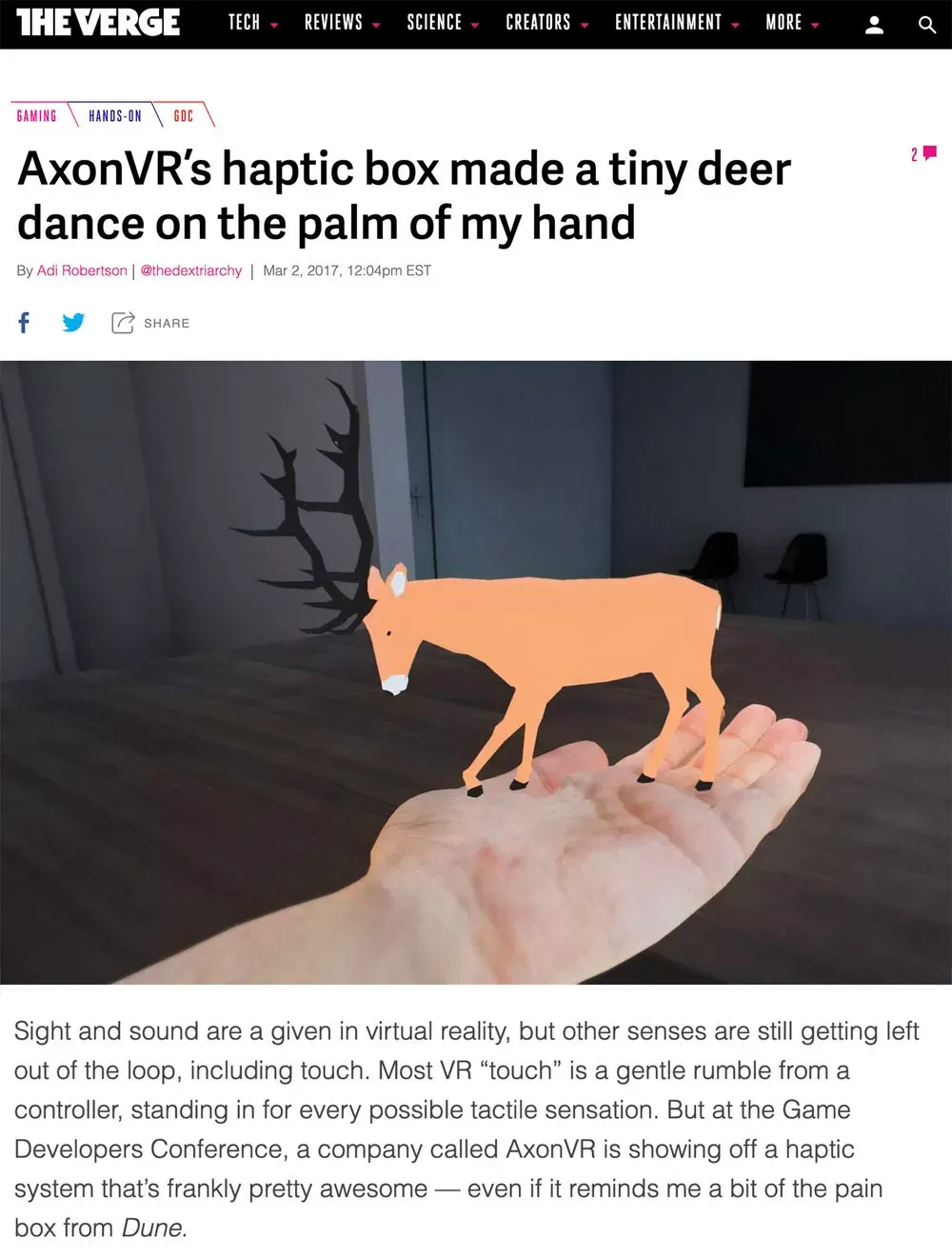
Because you could feel all four steps of a deer dancing around your hand or a spider in your hand, and if the deer rested and lay\id down, you could feel its whole body and things like that..
I started doing a lot of public relations for HaptX (which it was later renamed) because the best thing I could do was find journalists, share the demo with them, and have them write about it.
This is a really fun one. I was at this big conference called CES (Consumer Electronics Show). We had just built a new prototype, but also added warmth (hot and cold). The thing this journalist said about us was like the last day of the show, it was actually right as the show was closing, we got this journalist to come in, and I’m just gonna read this out loud. This is a really great piece of media we got.
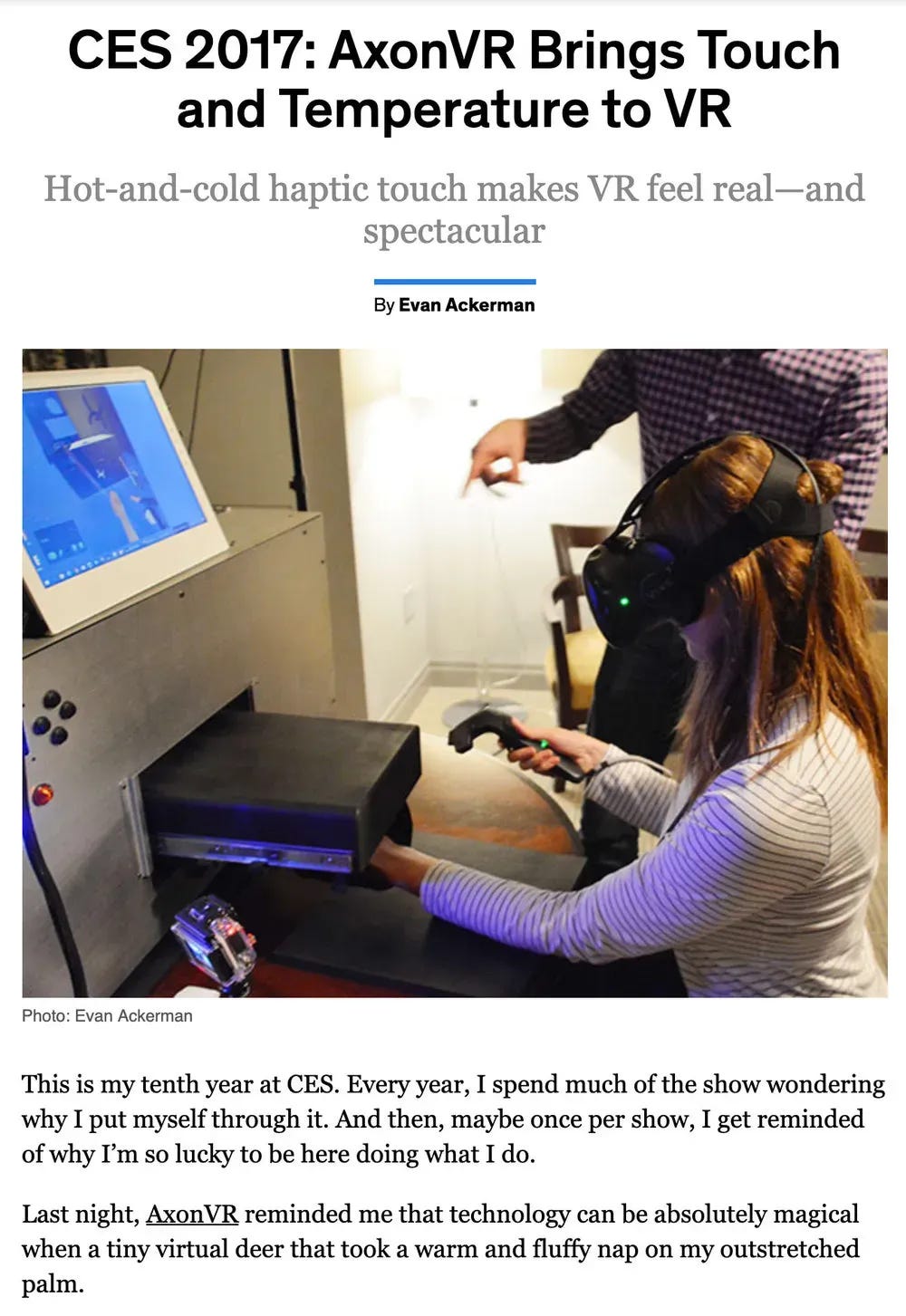
“This is my 10th year at CES. Every year I spend much of the show wondering why I put myself through it. And then maybe once per show, I get reminded of why I’m lucky to be doing what I do. Last night AxonVR reminded me that technology can be so absolutely magical when a tiny deer took a warm and fluffy nap on my outstretched palm.”
He called it “absolutely magical.” We were the best part of the show, and it was spectacular. A lot of folks who haven’t tried our tech were really skeptical of it.
Even if I describe touch to you over this call, what does it do exactly? I can’t transmit touch over Zoom, and you don’t know exactly what we’re talking about, but if you demo it to people and get them to write about it firsthand, you get more authority by it. People start to believe you.
This is a journalist who’s spent 10 years covering this industry and has written a lot of skeptical pieces about tech. And here he is, like describing our stuff as “absolutely magical.”
Rebranding AxonVR to HaptX, Naming a Company and its Products
We were called AxonVR at the start. Within the first few months, we got a cease and desist letter from a company called Taser, which rebranded to call themselves Axon. They do police body cameras and things like that. So we had to rename the company. I came up with the name HaptX. The idea is that it is “Haptic” and then “X” for experience, kind of like SpaceX, and X sort of is just a cool letter. I got to name a company and name a product.
Then the things I also did which bringing back my storytelling and media production stuff. I worked with our game developers and software engineers to design a story as we were building our next prototype that showed off the best of the technology, hid all the shortcomings, and delighted anyone who tried it.
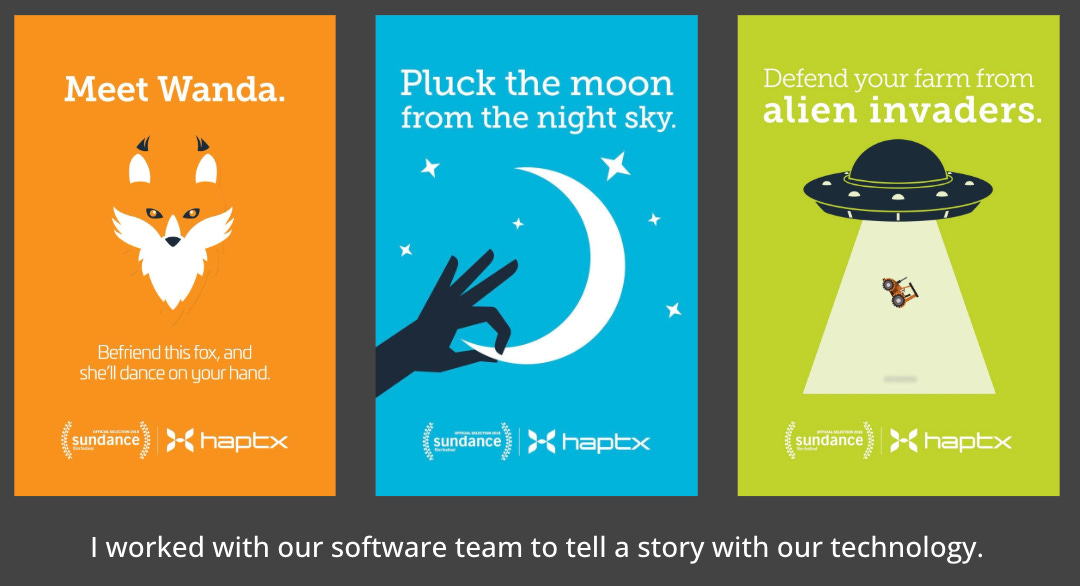
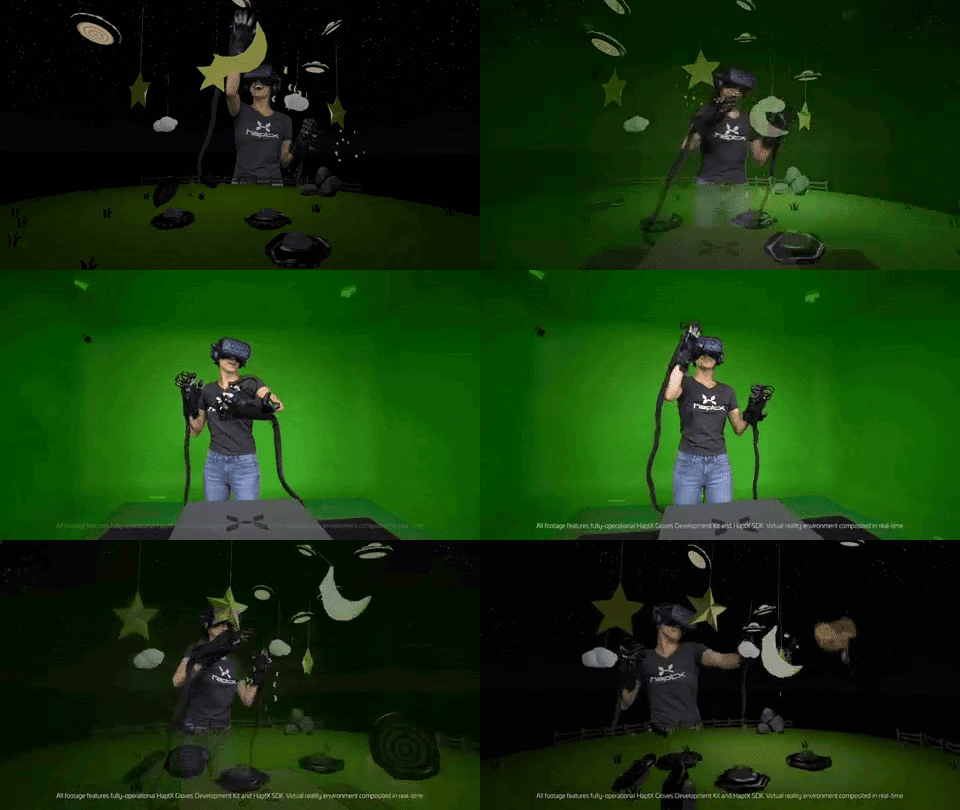
We had this demo where you got this virtual farm and a little fox jumps onto your hand, a little diorama, you can grab the moon from the sky, and at the end, aliens invade and you have to defend the farm. They try to abduct your little fox, your tractor and defend your farm. It’s called the “Farm Defense”. This demo we wind up using for years. This is kind of what it looked like.
This is one of the videos we did. This is where the person’s at the end of it, destroying these aliens that are invading as well.
From Tech Demos to Sundance
Something wild happened. Farm Defense, this demo that I helped make and wrote the story, work with the game developers, and work with the team on it, got selected for Sundance Film Festival.
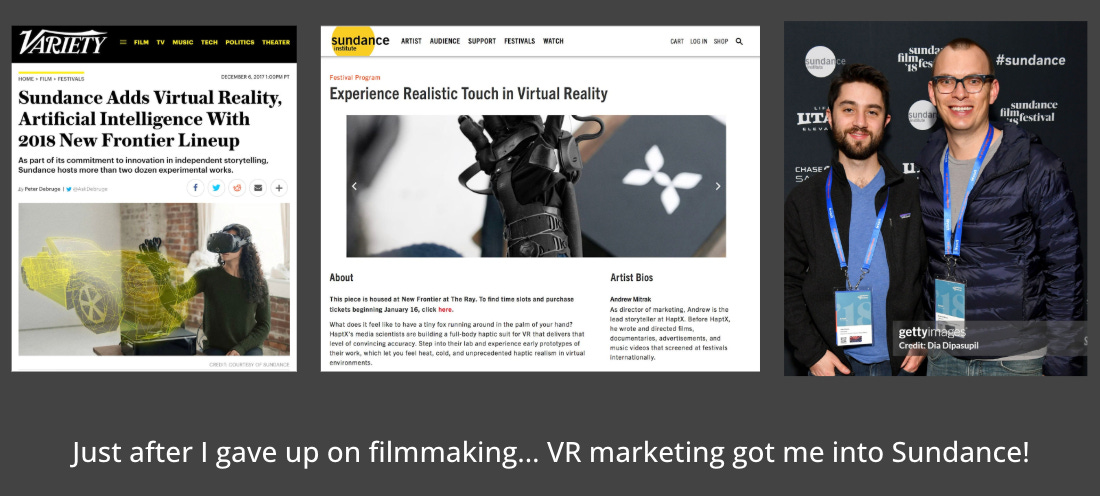
It was so funny that after I had given up on filmmaking, all of a sudden I got into Sundance as a virtual reality marketer, exploring this new medium as part of this team.
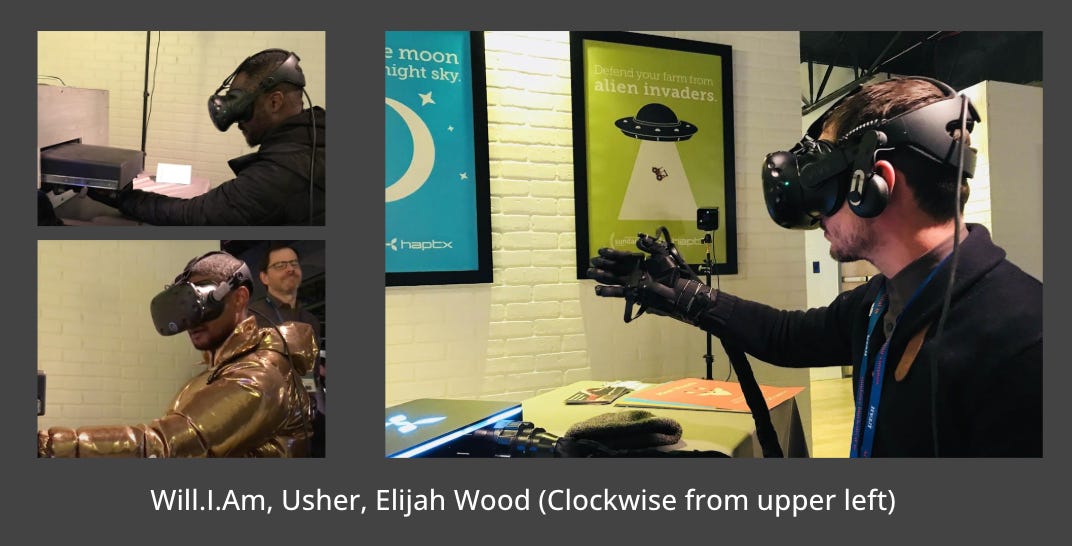
I thought it would be fun because I got to meet bunch of celebrities there. Unmute your mics if anyone wants to guess who the celebrities are. I thought that might be a fun game for us.
(Class discussion ensues identifying celebrities)
That’s right, the bottom left is Usher. Any guesses for the big picture on the right? It’s not Daniel Radcliffe.The big picture on the right is Elijah Wood, famous for playing Frodo in The Lord of the Rings. He was one of the nicest guys I have ever met; he came back twice to do the demo and stood in line with people, even though some celebrities may jump in the line or do stuff like that. Up on the left is will.i.am from The Black Eyed Peas. They had a virtual reality experience at Sundance. will.i.am is both a musician, and he’s also a media and tech personality and did some investing.
So it was like a really fun experience that I could name out some other folks that we got to meet over the time, and it was amazing. I put so many hands in and out of this demo.
It was a really funny thing, but it was also a wild experience, because the way they treat you, even though I just had a virtual reality experience, they treat you like a filmmaker there. You get to go to all these cool things. This filmmaker I’m a fan of named Darren Aronofsky, who made the film Requiem for a Dream and The Whale, he was there, and he had a VR experience there as well. So it’s just like this amazing time to meet a lot of the folks that I really admired through my time in film and just got to have a taste of that experience up close.
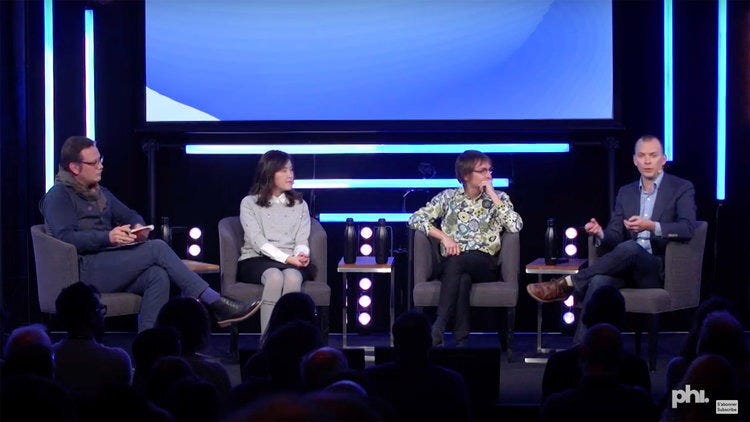
But it was wild because I was in my mid-20s and there was this tech and it had to be demoed, and all of a sudden I had to travel the world and just show this off to people.
And this is a conference in Montreal, and this is a video for a YouTube channel called Tested that got a bunch of views and went to Japan and to Europe, and across the United States, and this was an amazing experience with this tech. It was so much fun.
The Jeff Bezos Demo That Changed Everything
I want to share the story behind this crazy demo to Jeff Bezos.
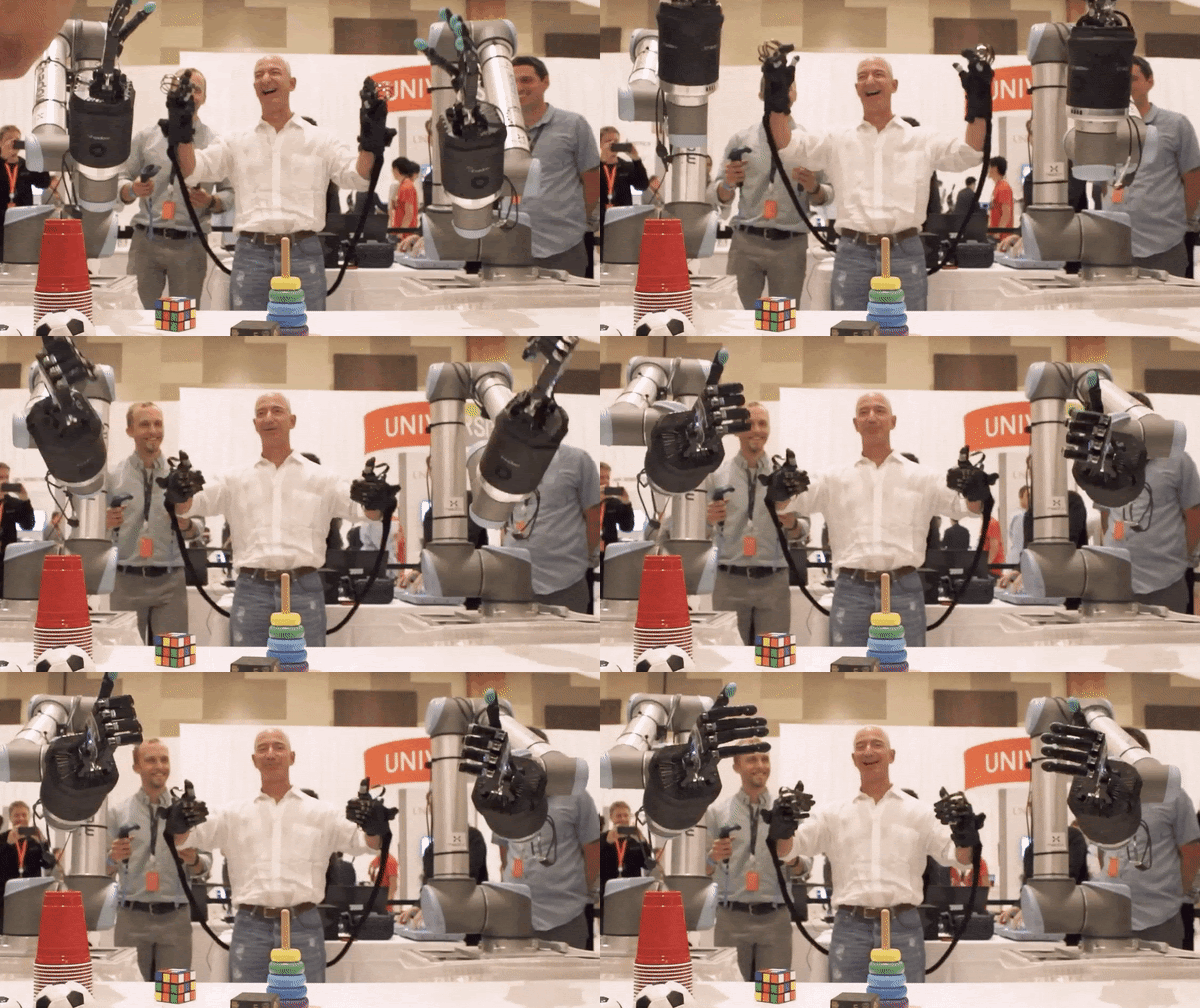
One of the things happening at the company was that we had just had a really big layoff event and I am going to talk about some of the downsides and stories as well. We thought we had some money in the bank coming in; we hired assuming that was gonna hit and close, but the investor pulled out at the last minute. We had to do a snap layoff. If you’ve seen the Marvel, which Avengers one was it? Was it Endgame where half of the people disappear? That’s what happened to our company, so we call it the snap.
The company seemed like it was going out of business, but we had just committed to this re:MARS event that Amazon was doing. We had put all this work into this really cool robotic project. If you can use gloves in VR, you can use them to control robot hands. There are sensors on the robots so you can feel what the robot feels.
We were selected for this conference, and we’ve been invited to it. We pulled some favors to get into it. We were like “You know what? We’ve worked so hard on this really cool prototype, and we had partners from this other company that makes the robot hands, which was based in London. They were flying in. They were counting on us, and we thought, “Maybe it will be a last draw and let’s have some fun at this conference in Vegas.”
And I’m like, “You what? Let’s go for it.” As long as we’re here, and we’ve shown up, and we have nothing to lose, we’re just gonna we’re gonna go for it.
I am testing the robot hands here, and as we were setting up, everything kept breaking. We couldn’t get it to control. There were no safety features on it, and these robot hands are like $100,000. If you smack it into the table, if you do that, they could break. The conference organizers were looking at us with these massive robot hands, and like, “Do we have to kick you out of the conference? Your stuff is not working, and we are about to open”. And I was like, “No, it’s gonna work, it’s gonna work.”
The organizer came to me and said, “Okay, I’m gonna try it.” I’m like, “Oh, gosh, the safety stuff is gone.” Not the safety of the person, but the safety of the expensive robot hands. What if she breaks it? So we do it, and she’s having fun with it, I could tell. “Okay, it’s actually working well enough, even though it’s not perfect.”
And she said, “Okay, hey, take my camera, and you’re gonna record me as if I’m Jeff Bezos, and I’m gonna send it to Jeff and see if he wants to do it.” So I did that, and she said, “Okay, I’m gonna send it, I’ll let you know what he thinks. And I got a text later, “Hey, he’s gonna come tomorrow at 5.
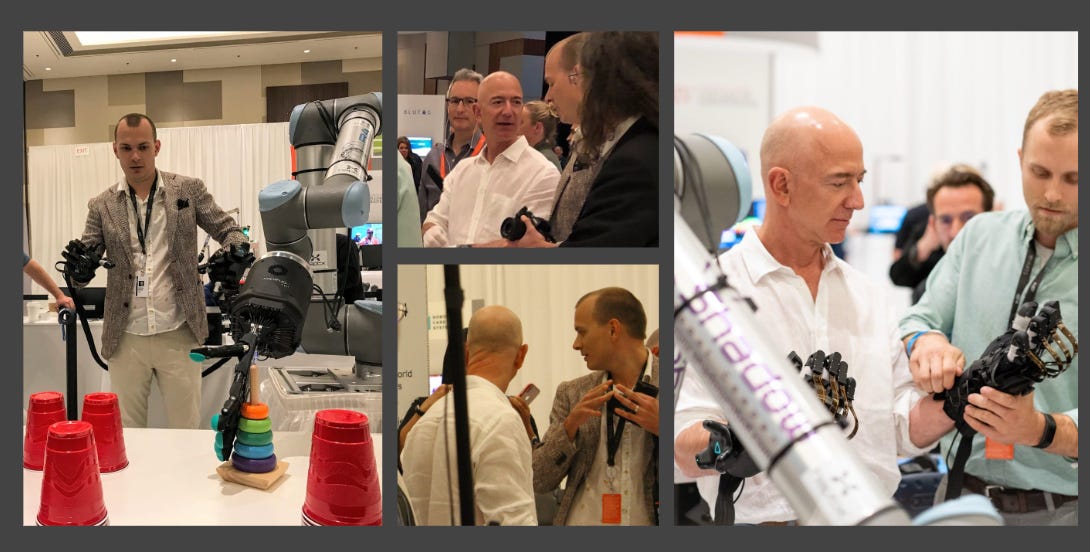
It’s a private demo, don’t tell anybody.” Of course, I find all the journalists, and I tell them, “Hey, Jeff Bezos is coming at five. You definitely want to be here.”
I got these journalists to be right front and center when Jeff Bezos shows up to do our demo, and I didn’t get a great picture of him. At that time, Jeff Bezos was still very involved with Amazon. He wasn’t just like going and partying on yachts or whatever he does now. He was more like a tech influencer or person than he is today. So he comes and does it, and it is awesome.
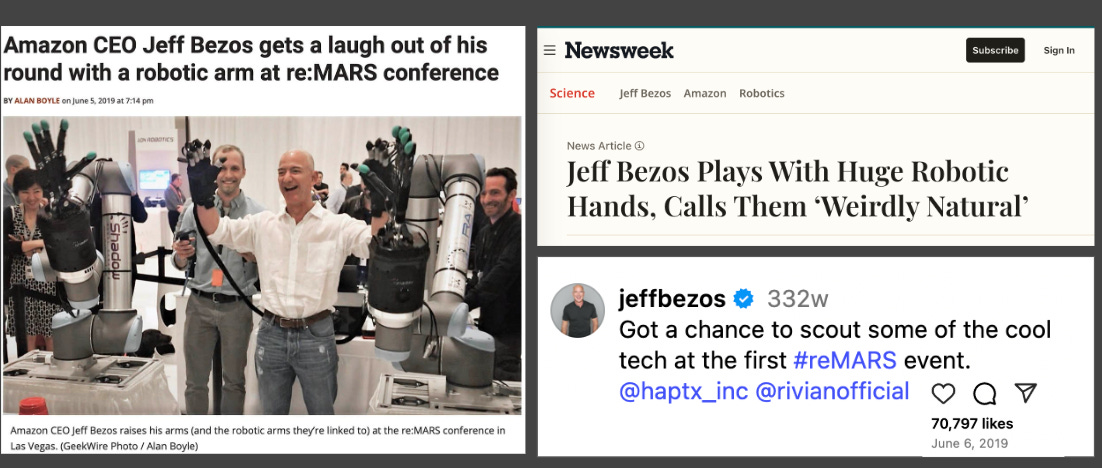
And then, the journalists that I planted there, they all cover it, immediately, they’re telling the stories, and all of a sudden it’s like trending on Twitter. He tweets about it, he Instagrams about it, and for years afterwards, that was like the top thing where I’d get notifications all the time, and he tagged us as well. He tagged us in his stuff, even though he didn’t have to.
Because of that, the next week we got a big investment deal. The company was saved, at least for the time being. It was an amazing turnaround. So that was a super fun story.
👍👍👍👍Rule of Thumb #4: If you are going to ride on a rocket, be sure to pack a parachute
There is a famous quote from Sheryl Sandberg, who is a big tech person, and she was at Google and Facebook and wrote the book Lean In. She says:
“If you’re offered a seat on a rocket ship, don’t ask what seat! Just get on.”
I have been talking about the rocket ship part of the journey, but I’m going to go to my rule of thumb number four: If you are going to ride on a rocket, you should also pack a parachute.
You should be sure to pack a parachute because not all rockets are successful. I hinted at some of the stories with HaptX having a snap layoff, which was really brutal. It turned into a fun story with Jeff Bezos, but these people I worked with lost their jobs with no notice.
HaptX ultimately had more of those things, and I left shortly after the Jeff Bezos event in 2020. I had a really great four years there but also there were really brutal times where things didn’t work out, layoffs happened, and it was really tough. After HaptX, there was another startup in the Seattle area that was the hot rising star called Convoy. It was a trucking startup, an Uber Freight competitor. It got funding from Bill Gates. Then Bono joined Jeff Bezos and Bill Gates as investors. Al Gore was an investor. Google invested $185 million. They reached a $3.8 billion valuation.
I joined them after the Google one, before the $3.8 billion one, and they were on the upswing. I thought, “This is the place to bet. If I’m joining this company and Jeff Bezos, Bill Gates, and Bono are investing, it’s a sure thing, right?”
Well, it wasn’t. It shut down a couple of years ago. It fired a bunch of people without notice. It totally collapsed.
I left before the collapse—that is the parachute thing. I was there for two years riding the upswing, but under the hood, especially as a marketer working with sales folks, you could see it was a weird deal. They were buying market share in a lot of ways and doing deals that weren’t good for them.
If you can see those things happening, don’t get wowed by the big celebrity names backing a thing. They are prone to making mistakes too. Get a look under the hood at what is happening.
The Power of the Startup Network
Andrew Mitrak: The startup I joined after Convoy was actually founded by early Convoy engineers. The startup was called Glue—originally it was called Mystery, doing “date nights out.” Then the COVID-19 pandemic happened, and date nights out became illegal. You couldn’t do date nights out. So, they shifted to doing virtual employee events. The pandemic caused a boom in virtual events for companies because companies needed to engage their remote teams to avoid “quiet quitting.”
It was a smart move, basically riding the pandemic wave. However, the story shifted for that company too. When “return to office” happened, companies started to cut costs, and team events are often the first thing cut from a budget. So, I was there for close to two years, had a lot of fun and led a marketing team, but that was one where it didn’t quite work out.
In the meantime, I loaded this at the start and I had built a side hustle doing outbound marketing, basically lead generation. I founded that with another former Convoy employee. This was the next thing I was gonna try, which was running it full time as a company (Wolfscale). It was a really good side hustle. Running that full-time as an agency was tough.
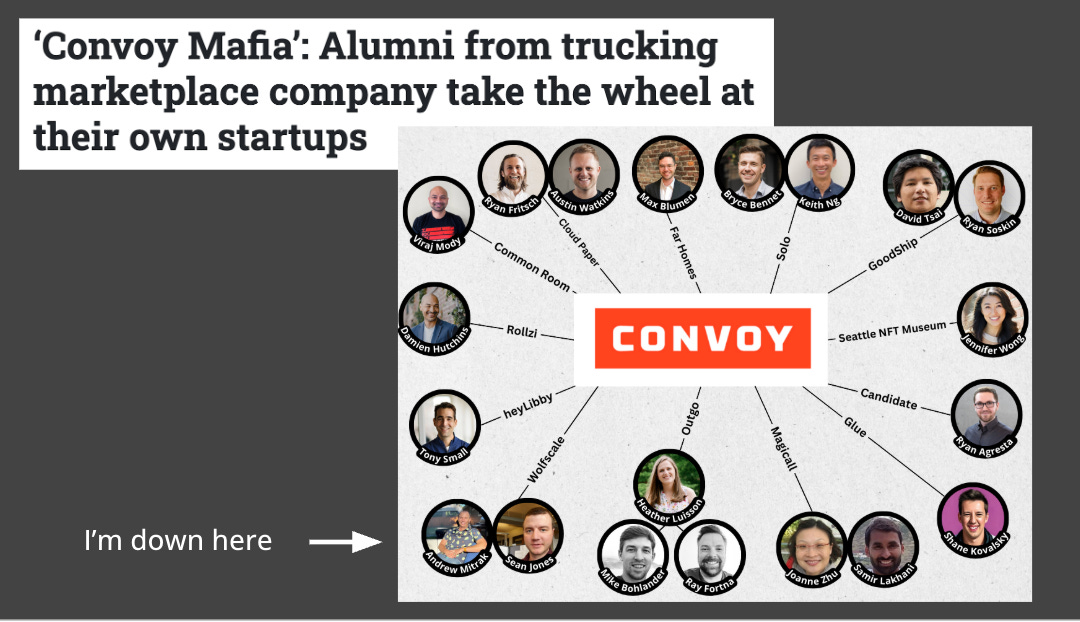
What is cool about this story is how that company, Convoy, led to a lot of other companies being founded beyond it. So what’s fun is that when you’re at a startup, even if it fails, you’re building this amazing network of other entrepreneurs who are startup-minded, and a lot of those companies became customers of Wolf scale. I worked at one of those other companies as well. And ultimately, Convoy is what led me to my job at Google.
The person who hired me at Google was somebody I had worked for two years at Convoy. We had a very high opinion of each other.
And so even if something, a startup can fail, the company can fail, but you can succeed, that if you position yourself the right way, or ideally, you kind of get out before things blow up, or you’re kind of thinking of your parachute or your next steps, before things go bad, you can kind of ride the upswing, get some of the benefits of the company, you learn a lot from the start up experience, while not, kind of protecting yourself from some of the downside as well.
Well, of course, trying to help the company succeed, but sometimes a company, you know, success or failure is somewhat out of your control as a marketer.
👍👍👍👍👍Rule of Thumb #5: It’s all about relationships.
(And they matter more than ever in a world of AI.)
Andrew Mitrak: This is my final rule of thumb before we open up for questions.
At the end of the day, everything is about relationships. Relationships matter more than ever in a world of Artificial Intelligence.
There’s a lot of uncertainty about what’s going to get replaced and what’s not. Whether you trust somebody or not, whether you work with somebody or not, whether it’s somebody who makes you happy at work, that’s something that AI won’t be able to replace ever. Basically, for all of human existence, it’s been about relationships.
Every story I’ve told you here, everything happened because of relationships. My story and I wouldn’t make sense for me to talk about every individual person who got through along the way, but everything was because of somebody placing their faith in me, or hiring me, or trusting me to do some campaign, or working with me on something. All the jobs I’ve talked about, nothing ever happened because I applied online. Sure, maybe a job application through an online form was part of the process at some point, because it’s like a formality. But I always had someone. They’re either a personal reference or they’re directly at the company, or they’re directly the hiring manager, who was a reference in playing a part in beginning their role. So overall, all of this happens because of relationships.
Your reputation is really everything. Are you capable? Are you ambitious?
Are you a good person to work with? Those elements are always part of it. So the final takeaway is that everything is about relationships.
By the way, a great way to build relationships is a podcast, because all of a sudden, you’re meeting all these amazing guests, and you’re building relationships with them. You’ve researched their work, and you get to meet people who, otherwise, you might not have a reason to meet with you, and you just get to say, Hey, I have a podcast, do you want to talk? And they’ll talk to you, it works that way.
I could go on. I have more slides about the podcast and other stuff, but I want to stop here and open it up to Q&A from the group.
Q&A: Big Tech vs. Startup Culture
Xiaoying Feng: I remember someone asking about the difference between working in a startup and working at Google.
Andrew Mitrak: Going into Google, I am the happiest I have ever been. I love it and it is a really great place to work. Of course, there are tradeoffs with any big company. When I was at a startup, I reported to the CEO or the Board of Directors. I had a pretty big role, managed a team, and got to think about the large scope of marketing.
A tradeoff at a bigger company is that you narrow your scope. You focus on a specific area. You are going to be much more collaborative, and you have bosses, and bosses’ bosses, and their bosses have bosses. You will be taking the orders. You always have a boss, even you work at your own company. Your clients will be your boss at the end of the day. You operate in a more well-defined space. There is a tradeoff. There is a lot to do within that space, and there are new skills I am building, but it is different than running wild and demoing to Jeff Bezos.
I am personally grateful I had the experience of doing a startup before joining a big company. I can do a lot of things myself because I had to do them myself. There are people who have only worked at big companies who rely on agencies to do the job or other teams to get things done. I tend to just do a lot of things myself. I think that helps you stand out and that also shows that you have a lot of capabilities. Personally, I like the experience with several startups.
Also, selling things matters. When I was an entrepreneur, even when I was freelancing, I had to sell. I had to invoice clients and negotiate. As a marketer, if you are able to sell something and understand what that is like, and if you are supporting the salesperson, you learn so much more about marketing. At the end of the day, you are marketing stuff, and it will lead to the salesperson closing the deal. If you can empathize with the salesperson and go through what they are doing, you will be much better at your job. There are a lot of differences and these are my top thoughts about the differences.
Q&A: Balancing Work, Side Hustles, and Family
Xiaoying Feng: You do so many side hustles and have your main job. Do you ever sleep at all?
Andrew Mitrak: I also have three kids—a five-month-old, a three-year-old, and a five-year-old. So, I haven’t gotten a lot of sleep since I had kids, to be honest!
I definitely sleep overall, but I tend to like having a project at the end of the day. The biggest thing I gave up when I started the podcast was video games. I used to have a habit where, as my kids were falling asleep they’d want me to be next to them. And as they were falling asleep I would play my Nintendo Switch, mostly Zelda games.
I just stopped doing that. Instead, I have my laptop open and I will edit or research as they falling asleep. I think it is a more productive use of time. I really enjoy video games, but it is easy to get addicted to them. I try to replace one addiction with another.
I treat this podcast like a game: Can I get that guest? Is that going to be a good interview? Can I make the next one better than the last one? That is how I think about it.
👍 Bonus Rule of Thumb: Learn to Send a Cold Email
Xiaoying Feng: I have one more question connected to your podcast. How do you reach out to so many famous people? It is so difficult to start.
Andrew Mitrak: This is actually going to be my Rule of Thumb #6.
The number one guest I got was Philip Kotler. He is called the “Father of Modern Marketing.” He is in his 90s. I figured if I was going to talk to someone, I wanted to talk to a primary source. Who better than a person who’s widely regarded as the father of modern marketing? He seemed like the right guy to talk to, and he hadn’t been on that many podcasts. He isn’t really on the “podcast circuit.”
This is literally how I reached out.
My Rule of Thumb #6 is: Learn to send a cold email. Or just do cold outreach and meet with strangers. This kind of ties into building relationships, and a lot of marketing could be condensed into a cold email.
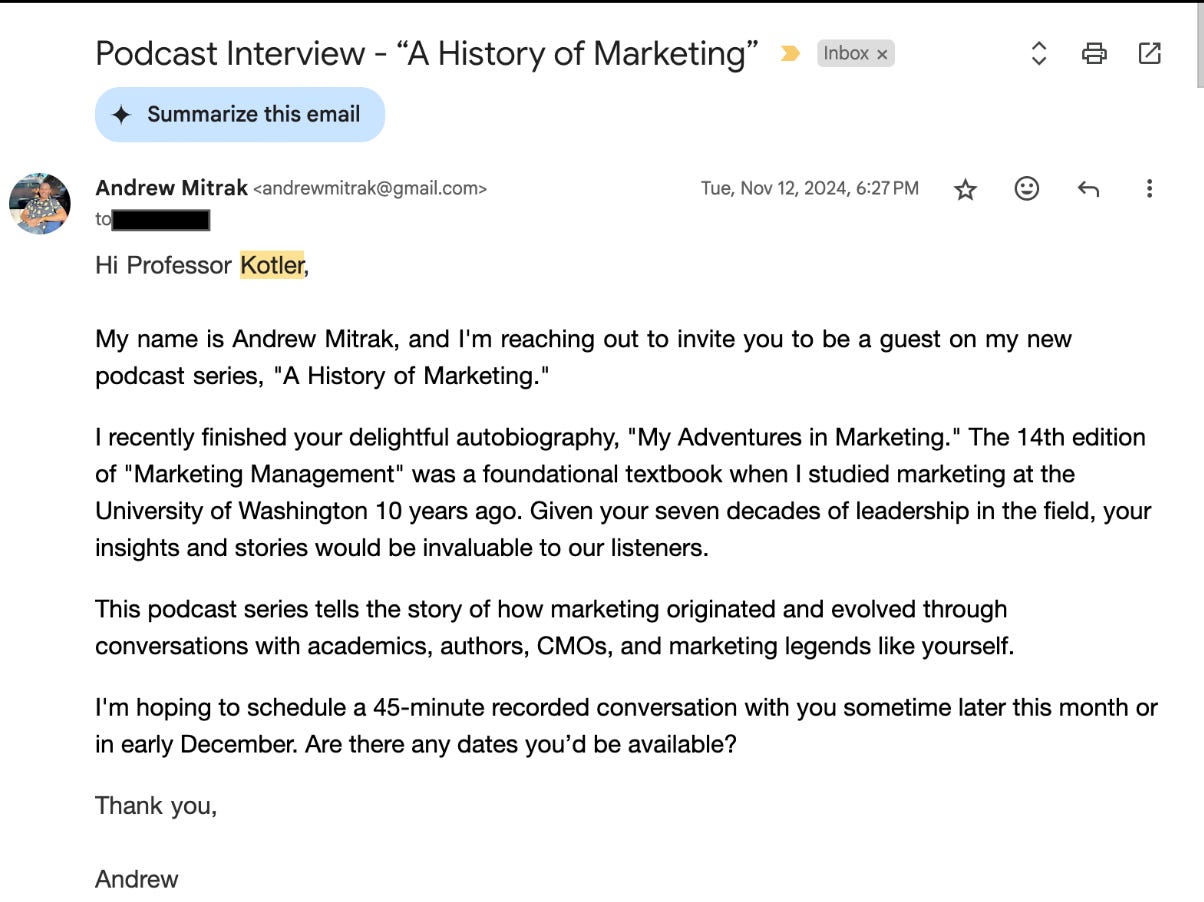
He responded within two hours.
There are a few things to unpack here. First, the podcast is called A History of Marketing. What guest doesn’t want to be part of history? If you are a marketer, the name itself lends itself to getting a guest. It isn’t “The Andrew Mitrak Podcast” that nobody would listen to and nobody wants to be part of.
Second, I called it a “new podcast series.” I had never recorded a single episode before. If he hadn’t replied, who knows if I would have even launched it?
Third, I showed that I had read his book. I flattered him. I’m not some random person. I’ve done the work.
Fourth, I said “our listeners.” I knew I would have at least two listeners—me and my wife. I haven’t published my podcast yet but I didn’t say how many. I also talked about what I intend to do.
Finally, the 45-minute request is a hack. If somebody agrees to 45 minutes, they’ll agree to an hour. If you say a half hour, somebody expects to get it done in a half hour.
You say 45 minutes, they expect to get done 15 minutes after that. And so it’s a way to ask for as little as possible, but get the most possible.
I also like the thrill of cold email. I had a lot of success early on, and then the thing that also happens after that, is a bowling strategy. You get one person, and then they get the other ones to knock down, right?
Every other guest is like, oh, you talked to Philip Kotler? Sure, I’ll do it because Philip Kotler did it. That’s amazing. If you can find your first win, the next ones are a lot easier. Phil himself was like, “Hey, I talked to Andrew. He asks good questions.
He sent off emails to a handful of other folks who became guests of early episodes as well. So, doing outreach, and if you’re a professional or young person, don’t just say, “Hey, could I grab coffee with you for 45 minutes to ask about my career?” People are busy, and they can’t do that all day, right?
But if you have a project, I’d love to help somebody with a project. If you’re doing a course, if you’re working on something like a startup, if you’re trying to learn something or build something, people love to help people who are young. People love to help people build stuff. They don’t want to have somebody suck out their time and ask about how to help their career. They want to help you build a thing. So, finding what is the thing that you’re asking, how can you have a project that makes people want to talk to you? I am not saying everybody should start a marketing history podcast, but if you can find your own marketing history podcast or find your own type of project that can lead you to interesting people and to publishing things online, then that can just pay dividends for the rest of your career.
Andrew Mitrak: Thanks so much for having me. This was a lot of fun. I hope it was somewhat entertaining and useful. Xiaoying, thanks for inviting me. It was an honor to speak with you, and I had a lot of fun.


